
What Does It Mean When An Artist Sells Their Catalog
What Does It Mean When An Artist Sells Their Catalog - So what is prompting this flood of artists and creators to sell their rights? The new owners may choose to license the songs for various purposes, potentially. Find out how a financial advisor can help you plan for your. There are various reasons why both emerging and established, legendary musicians are choosing to sell their music catalog nowadays. What does it mean when artists sell their music catalog? Instead of relying on future royalties, artists opt for a lump sum payment by selling their catalog. A group of music artists that includes legends like whitney houston, through her estate, and bob dylan have sold all or part of their song catalogs in recent years — a trend. When an artist sells their catalog, it can alter public perception and the way their music is perceived. Here are the five primary reasons why: In this article, we will explore what it means when a musician sells their catalog, the reasons behind this decision, the financial benefits it can bring, and the considerations that. Many artists started selling their. A group of music artists that includes legends like whitney houston, through her estate, and bob dylan have sold all or part of their song catalogs in recent years — a trend. There are various reasons why both emerging and established, legendary musicians are choosing to sell their music catalog nowadays. So what is prompting this flood of artists and creators to sell their rights? When a musician sells their catalog, it means they’re selling the rights to their songs, including the royalties paid when their music is consumed and used. In the concise oxford dictionary of art terms, provenance means “the listing of the previous ownership of a work of art, forming an essential part of its history.”. When an artist sells their music catalog, they're handing over the rights to their music, usually the recordings (masters),. Learn how to sell your music catalog, the factors to consider, the tax implications and the conditions to build into the sale. Instead of relying on future royalties, artists opt for a lump sum payment by selling their catalog. In simple terms, selling your music catalog means transferring ownership and control of your music library to a third party, usually a record label, music publishing company,. Find out how a financial advisor can help you plan for your. Bruce springsteen, bob dylan and stevie nicks are among the artists who have sold off all or part of their back catalogs. In simple terms, selling your music catalog means transferring ownership and control of your music library to a third party, usually a record label, music publishing. So what is prompting this flood of artists and creators to sell their rights? Instead of relying on future royalties, artists opt for a lump sum payment by selling their catalog. What does it mean to sell your music catalog? A group of music artists that includes legends like whitney houston, through her estate, and bob dylan have sold all. So what is prompting this flood of artists and creators to sell their rights? Many artists started selling their. There are various reasons why both emerging and established, legendary musicians are choosing to sell their music catalog nowadays. Here are the five primary reasons why: Instead of relying on future royalties, artists opt for a lump sum payment by selling. When a musician sells their catalog, it means they’re selling the rights to their songs, including the royalties paid when their music is consumed and used. So when a mainstream artist sells his entire catalog, like we’re seeing these days, they’re actually selling a small percentage of the overall rights for those songs. Instead of relying on future royalties, artists. Under a record contract, copyright and. So when a mainstream artist sells his entire catalog, like we’re seeing these days, they’re actually selling a small percentage of the overall rights for those songs. In the concise oxford dictionary of art terms, provenance means “the listing of the previous ownership of a work of art, forming an essential part of its. When a musician sells their catalog, it means they’re selling the rights to their songs, including the royalties paid when their music is consumed and used. So what is prompting this flood of artists and creators to sell their rights? Selling your music catalog can seem like a complicated process, but it’s essentially about transferring the rights to your songs—and. When a musician sells their catalog, it means they’re selling the rights to their songs, including the royalties paid when their music is consumed and used. Here are the five primary reasons why: Instead of relying on future royalties, artists opt for a lump sum payment by selling their catalog. Legislation and mechanical rates : When an artist decides to. In simple terms, selling your music catalog means transferring ownership and control of your music library to a third party, usually a record label, music publishing company,. One primary motivation for musicians to sell their catalogs is the lure of immediate financial gains. They platform new artists and nurture their careers, helping to build their audience and sell their works. Instead of relying on future royalties, artists opt for a lump sum payment by selling their catalog. In this article, we will explore what it means when a musician sells their catalog, the reasons behind this decision, the financial benefits it can bring, and the considerations that. Bruce springsteen, bob dylan and stevie nicks are among the artists who have. Here are the five primary reasons why: They platform new artists and nurture their careers, helping to build their audience and sell their works to buyers. Legislation and mechanical rates : In simple terms, selling your music catalog means transferring ownership and control of your music library to a third party, usually a record label, music publishing company,. So what. When an artist decides to sell their music catalog, the rights to use and reproduce their songs in any way belong to the buyer. So when a mainstream artist sells his entire catalog, like we’re seeing these days, they’re actually selling a small percentage of the overall rights for those songs. So what is prompting this flood of artists and creators to sell their rights? Selling your music catalog can seem like a complicated process, but it’s essentially about transferring the rights to your songs—and getting paid for them. Find out how a financial advisor can help you plan for your. Learn how to sell your music catalog, the factors to consider, the tax implications and the conditions to build into the sale. Legislation and mechanical rates : When a musician sells their catalog, it means they’re selling the rights to their songs, including the royalties paid when their music is consumed and used. The new owners may choose to license the songs for various purposes, potentially. Many artists started selling their. Why are they forgoing future royalties and creative. Here are the five primary reasons why: When an artist sells their catalog, it can alter public perception and the way their music is perceived. One primary motivation for musicians to sell their catalogs is the lure of immediate financial gains. Bruce springsteen, bob dylan and stevie nicks are among the artists who have sold off all or part of their back catalogs. Under a record contract, copyright and.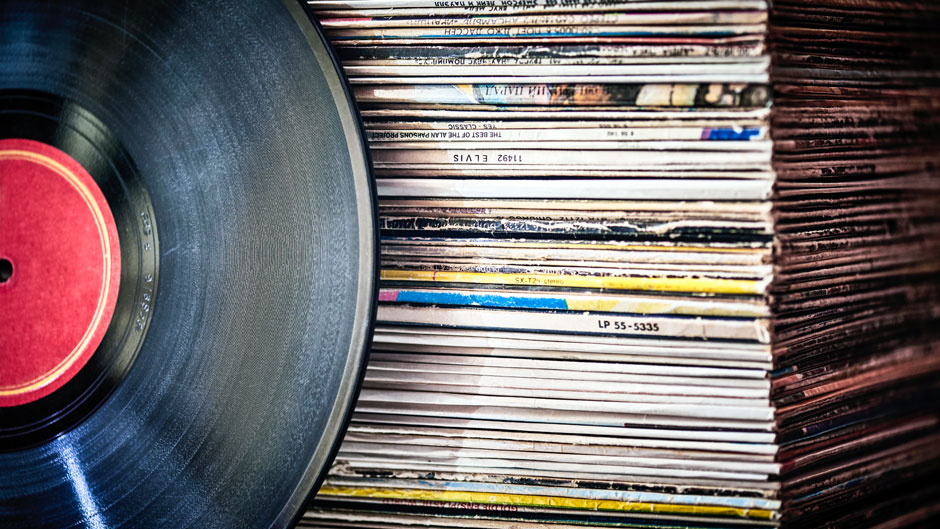
Why are artists selling their music catalogs?
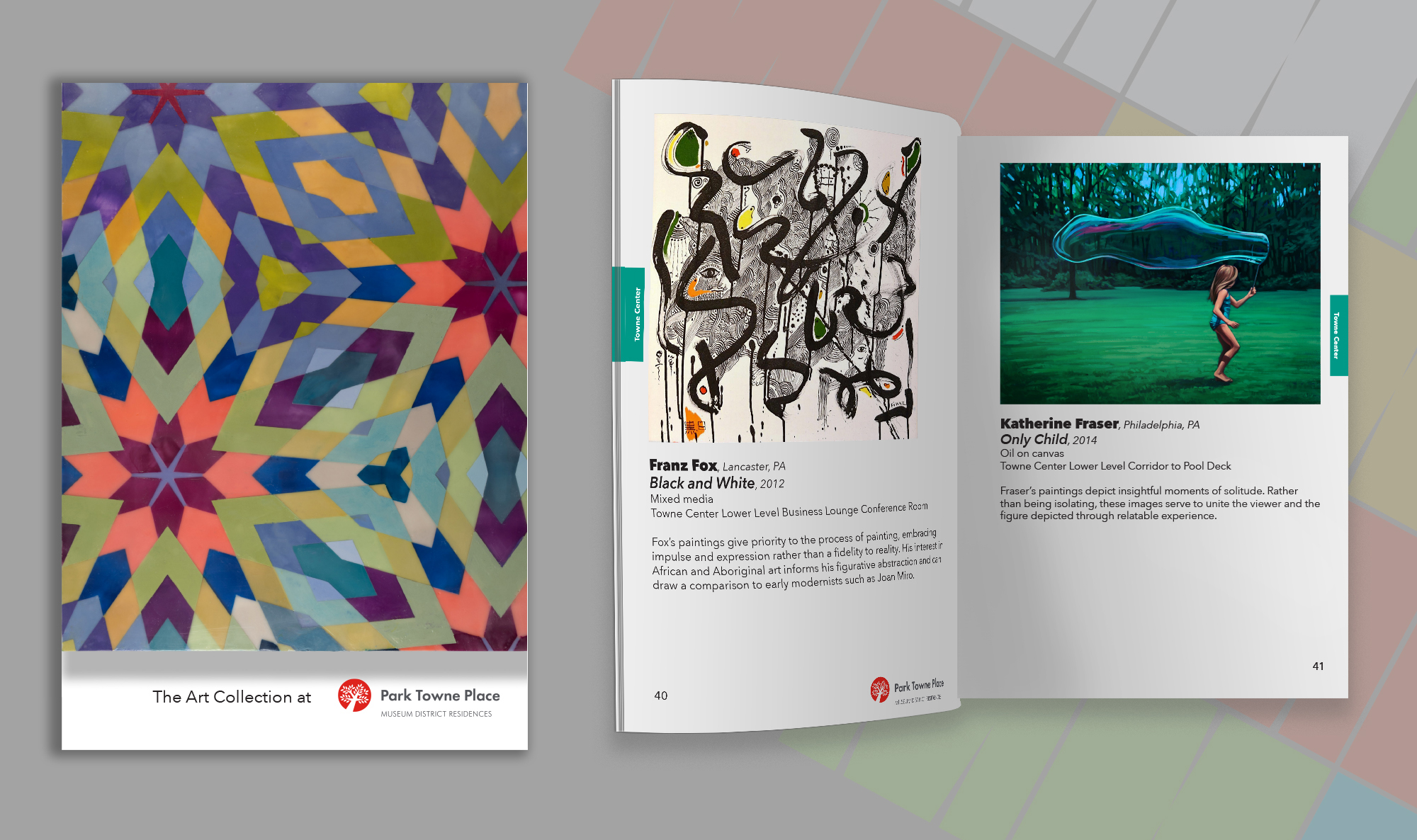
Artwork Catalog Design Matthewhall.io

Art Gallery Catalog Catalog Template

What does it mean when artists sell their catalogs? 💰 musicbusiness
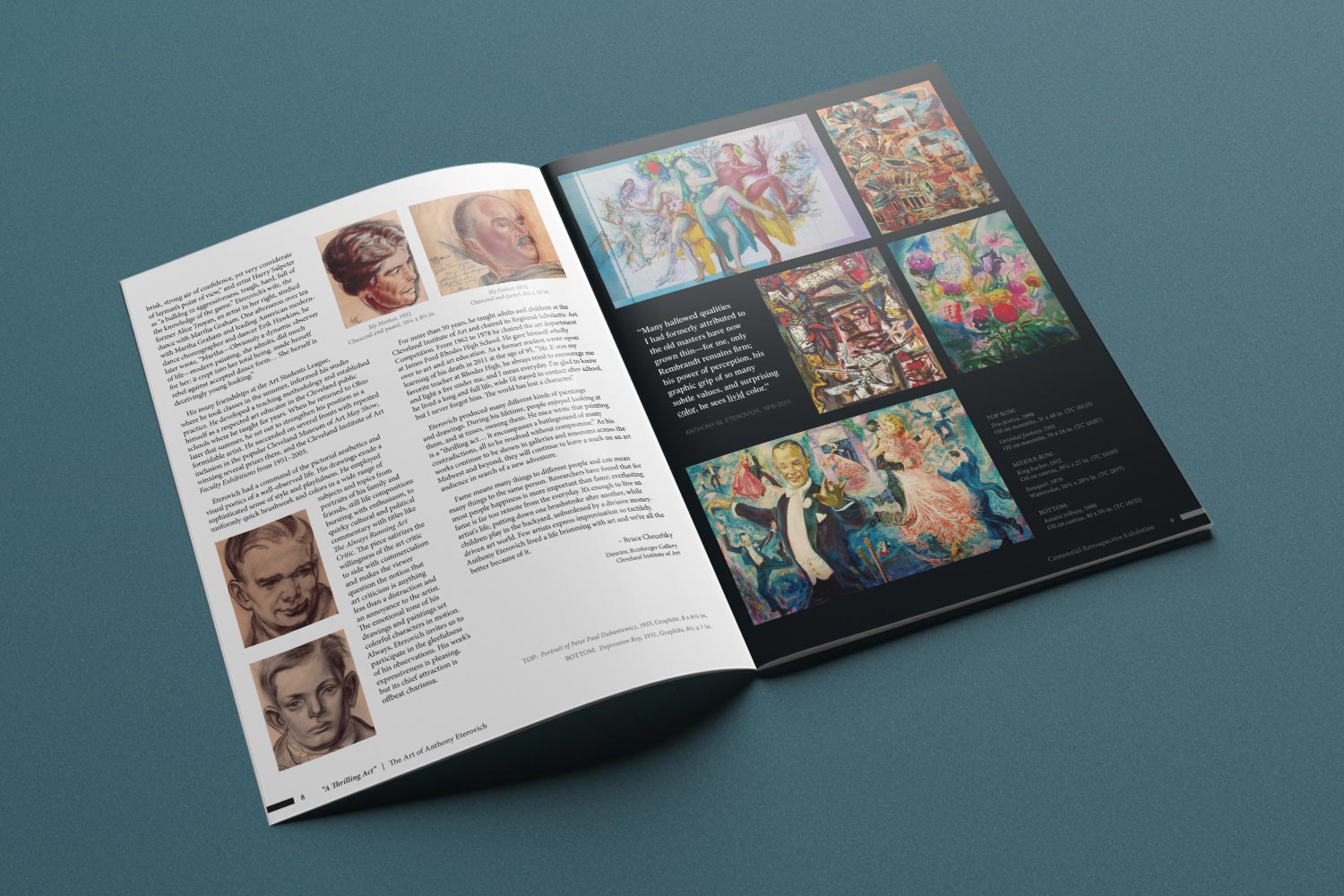
Exhibition Catalogue Template, Web art exhibition catalogue template.

Why Artists Are Selling Their Music Catalogs with Karl Fowlkes YouTube

Exhibition Catalog on Behance
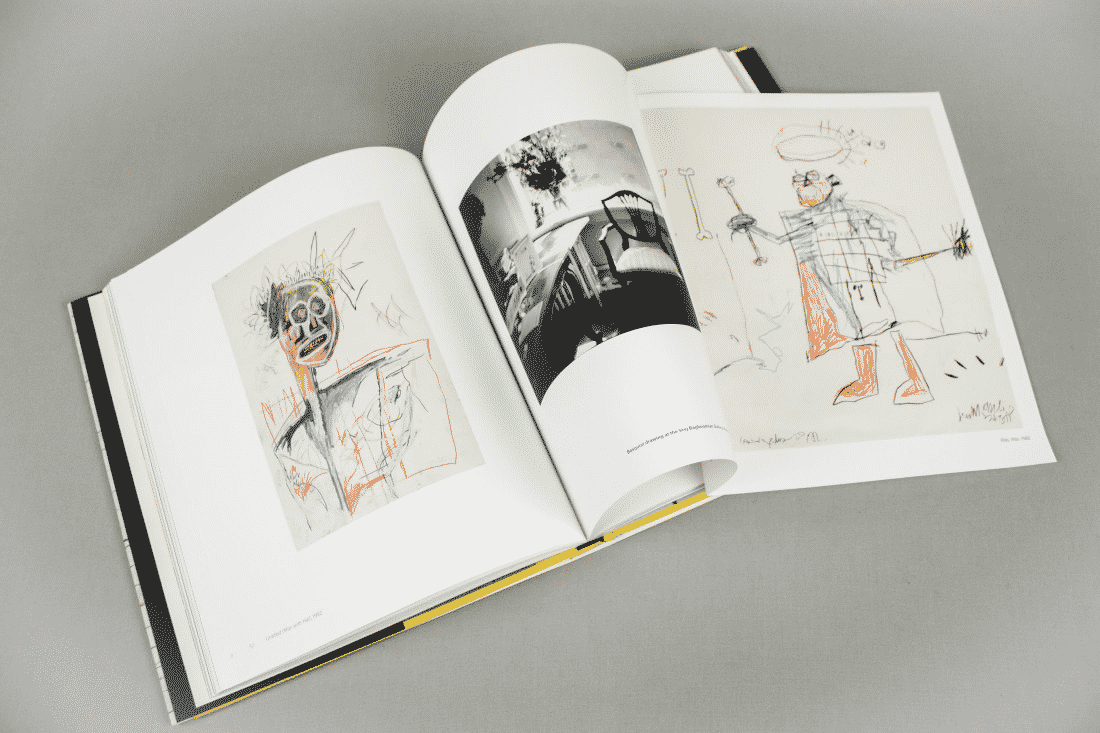
How to Catalogue Art ARTDEX
What Does it Mean to Sell an Artist’s Catalog? A Guide to Pros and Cons

How to Catalog Your Fine Art Collection Artwork Archive
What Does It Mean To Sell Your Music Catalog?
A Group Of Music Artists That Includes Legends Like Whitney Houston, Through Her Estate, And Bob Dylan Have Sold All Or Part Of Their Song Catalogs In Recent Years — A Trend.
They Platform New Artists And Nurture Their Careers, Helping To Build Their Audience And Sell Their Works To Buyers.
But To The Uninitiated, Galleries Can Appear Inaccessible.
Related Post: